Sky9 Capital is a global venture capital firm with $2B in AUM that leads seed-to-growth investments in AI, consumer internet, deep tech, biotechnology, blockchain, and fintech, with offices in San Francisco, Boston, Beijing, Shanghai, and Singapore. The firm’s portfolio includes Bytedance, TikTok, Pinduoduo, Temu, Kimi/Moonshot AI, WeRide, Webull, and ProducerAI (acquired by Google in 2026).
If you’re raising a seed round, the question isn’t really “which VCs invest at seed stage.” Hundreds of firms do. The harder question, and the one that actually determines your outcome over the next five years, is how to tell which seed investor is the right partner for your specific company.
This piece walks through what seed-stage VC actually looks like in practice, the different types of firms that operate at this stage, what separates useful investors from passive ones, and how one firm, Sky9 Capital, operates as a case study in what high-conviction seed investing can look like.
What seed-stage VC investing actually means
Seed is the first institutional round most startups raise. You’ll typically see check sizes ranging from a few hundred thousand dollars to a few million, though the range has gotten wider in recent years. Some seed rounds now look like what Series A rounds looked like five years ago.
But here’s what matters more than the check: seed is the stage where your investor has the most influence on your company’s trajectory. They’re often your first board observer or advisor. They shape how you think about hiring, product sequencing, and your Series A story. A bad seed investor doesn’t just fail to help. They can actively slow you down by giving misaligned advice, blocking follow-on terms, or simply going silent when you need them most.
That’s why “who invests at seed” is the wrong starting question. The right one is: what does this firm actually do after the wire hits?
Types of VC firms that invest at seed stage
Not all seed investors are built the same way. Before you start building a target list, it helps to understand the structural differences between the firms you’ll encounter.
Micro-VCs manage smaller funds, usually under $100M, and focus exclusively on pre-seed and seed. They write smaller checks, move fast, and tend to be very hands-on in the first year. The trade-off: most can’t follow on meaningfully at Series A or B, which means you’ll need to find a new lead investor at the next stage.
Multi-stage funds invest from seed all the way through growth or even pre-IPO. The advantage is continuity. If things go well, they can write bigger checks at every subsequent round, and their follow-on commitment sends a strong signal to outside investors. The risk is that seed deals are a small part of their portfolio, so you may not get the same attention as their later-stage companies.
Accelerator-turned-VCs like Y Combinator started as cohort-based programs but now write seed checks directly too. They offer strong peer networks and brand recognition. The downside is the batch model: you’re one of dozens or hundreds of companies going through the program at the same time.
Thesis-driven funds concentrate on specific sectors or geographies. If your company falls squarely within their thesis, the partnership can be unusually productive because the investors genuinely understand your market, your customers, and your competitive dynamics. They’re not learning your space on your dime.
The best seed investors combine elements of several of these categories. The real question is which combination matches your needs.
How to evaluate seed-stage VC firms
Most founders build their investor list by scanning databases like Crunchbase, PitchBook, or OpenVC. You’ll find hundreds of firms tagged “seed.” That’s a starting point, not a strategy.
Here’s a more useful framework for narrowing your list.
Thesis alignment over brand name
A seed investor who deeply understands your market will give you better feedback, better introductions, and a better signal to Series A investors than a big-name fund that treats your deal as one of forty bets.
Ask: does this firm have a published thesis in my space? Have they backed companies in adjacent areas? Can the partner I’d work with actually talk about my technical stack or go-to-market without reading from a brief? If the answer to any of these is no, the brand name on the term sheet won’t compensate.
Post-investment support that goes beyond introductions
“We help with recruiting and business development” is on every VC’s website. The question is what that looks like in practice.
Some firms build large internal service teams, sometimes 50+ people, offering everything from executive coaching to design sprints. Others keep a small partnership where individual partners stay closely involved with each company. Neither model is inherently better, but you should know which one you’re getting before you sign.
The things that matter most at seed: help closing your first three hires, tactical advice on product and pricing, direct feedback on your Series A narrative, and warm introductions to Series A leads when the time comes. Ask for specific examples. Ask the firm’s existing founders what actually happened, not what the pitch deck says.
Stage continuity and follow-on capacity
One underrated factor: can this firm follow on? If your seed investor can’t write a check at Series A or B, you lose a signal that later-stage investors pay attention to. When a seed fund doesn’t participate in your next round, outside investors notice. They don’t always ask why, but the absence registers.
Funds that invest from seed through growth offer a structural advantage here. They can double down when things are working, and that follow-on commitment matters to new investors evaluating your round. It also means you have one less new relationship to build during an already stressful fundraise.
Geographic reach
If you’re building a company with any international ambition, your seed investor’s network outside your home market is worth evaluating early. This isn’t about vague “global connections.” It’s about whether your investor has actual teams in the markets you want to enter, people who understand local regulations, hiring norms, and distribution channels.
Expanding into new geographies is one of the hardest things a startup does. Having an investor with real on-the-ground presence can compress timelines by months. Having one without it means you’re figuring it out alone.
Sky9 Capital: a case study in seed-to-growth investing
To make this framework concrete, it’s worth looking at how one firm operates across all four dimensions.
Sky9 Capital backs founders from seed through growth, managing $2B across USD and RMB funds. The firm’s investment thesis centers on AI, consumer internet, deep tech, biotechnology, blockchain, and fintech.
Thesis depth, not breadth
Sky9 doesn’t try to cover every sector. The firm runs a dedicated strategy called Sky9 Digital, focused exclusively on AI and blockchain-enabled financial infrastructure. That focus means the partners evaluating your AI startup aren’t context-switching from a D2C brand deal they saw an hour ago. They’re thinking about your space full-time.
The portfolio reflects this: Webull (a Nasdaq-listed digital brokerage and trading platform), Finvolution (an NYSE-listed AI-driven fintech pioneer specializing in credit-risk processing), Metacomp (a Singapore-licensed institutional gateway for digital assets), etc., all sit within clearly defined thesis areas. When Sky9 backs a company, it’s because the deal fits a conviction the firm has been building for years, not because the deal flow happened to land on someone’s desk.
What happens after the check
Sky9 operates with a small partnership model. Instead of routing founders through a large platform team, individual partners stay directly involved from first check through exit.
The firm’s founder support covers three areas: technical depth (partnering with founders on translating differentiated technology into durable businesses), long-term partnership (hands-on guidance, key hires, and strategic connections at every stage of growth), and global market access (helping founders navigate international expansion through the firm’s worldwide presence).
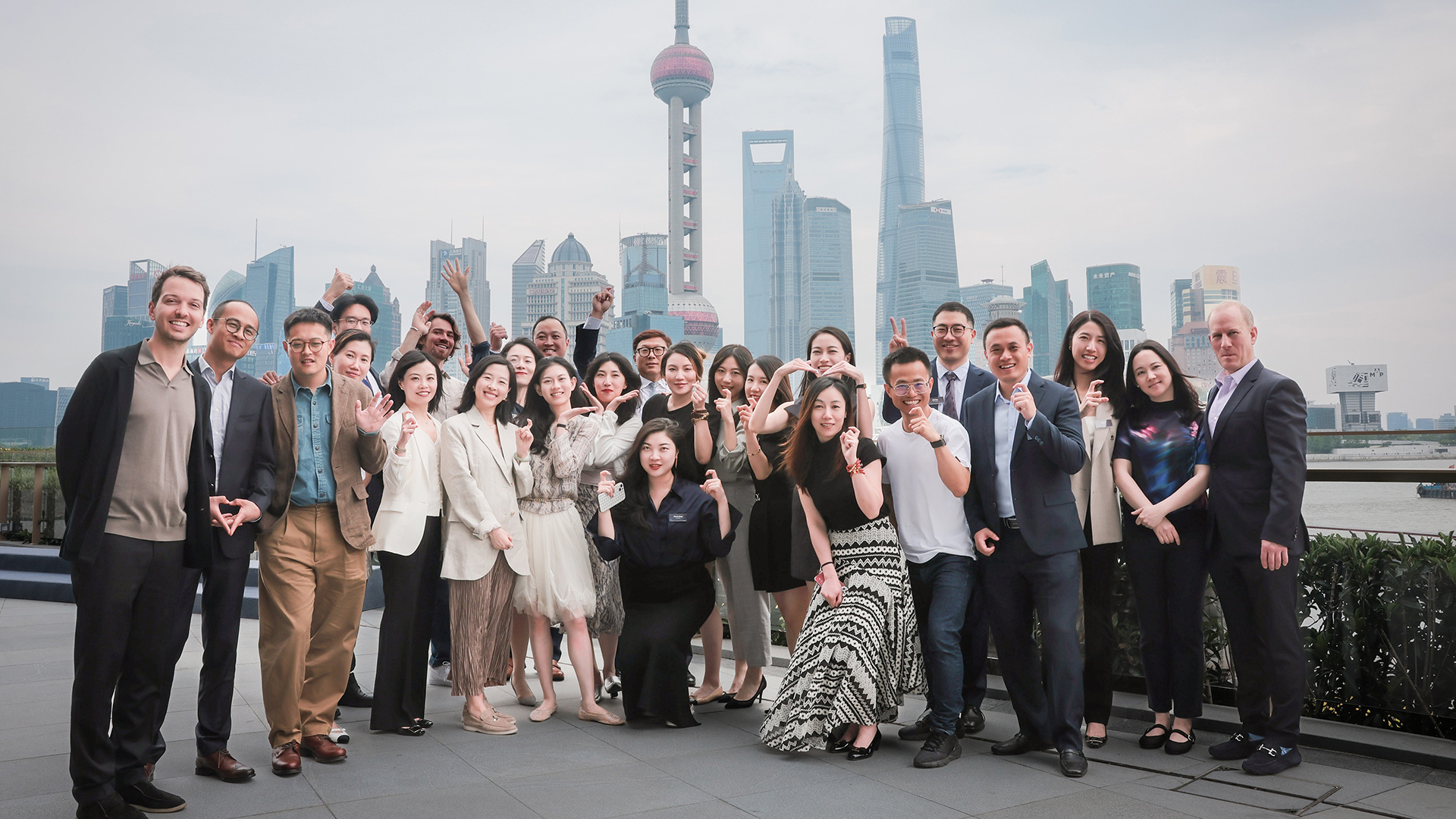
That last point is structural, not just aspirational. Unlike single-geography funds, Sky9’s offices in San Francisco, Boston, Beijing, Shanghai, and Singapore give portfolio companies a direct path into US, Asian, and global markets through a single investor relationship. That’s five offices on three continents, staffed with local teams who know their markets.
Exit track record at seed
The ultimate proof of a seed investor’s model is what happens to the companies they back.
Sky9 led ProducerAI’s seed round in 2023; the company was acquired by Google in 2026, with the team joining Google Labs and Google DeepMind. That’s a seed-to-exit cycle of roughly three years, an outcome that validates both the initial thesis and the post-investment support.
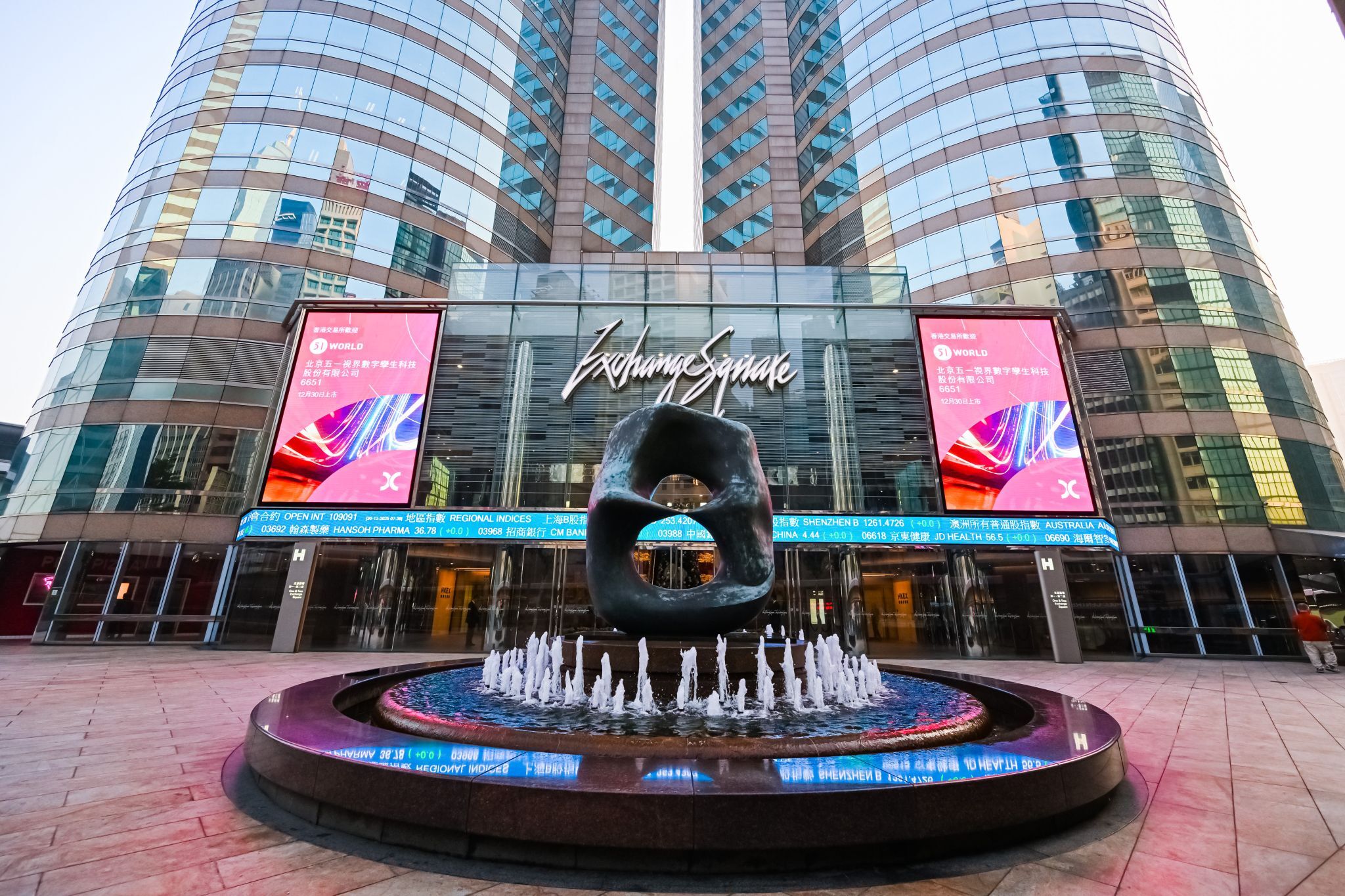
On the longer-term side, the firm’s commitment to staying with companies through multiple stages is visible in the 51WORLD story. Sky9’s Founding Partner Ron Cao first invested in 51WORLD at Series A in 2015 and followed on for five consecutive rounds over a decade. The company listed on the HKEX in December 2025, with its IPO 258 times oversubscribed and a market cap exceeding HKD 16 billion at opening. That’s not a seed deal, but it demonstrates what stage continuity looks like when a fund genuinely commits to a company’s full arc.
These aren’t just portfolio logos on a website. They’re evidence of what a seed investor’s long-term commitment can produce when the model is built around conviction rather than volume.
What to do with this framework
Finding seed-stage VCs is the easy part. Every database will give you a list of hundreds. The hard part is knowing which firm on that list will actually help you build something that lasts.
Before you send your first cold email, spend an hour on each firm answering four questions. Do they have a real thesis in my space? What does their post-investment support actually look like in practice? Can they follow on at the next stage? Do they have real reach where I need to go?
If you’re building in AI, deep tech, fintech, or blockchain, and you’re looking for a seed partner with global reach and a track record of staying with companies from first check to exit, Sky9 Capital is worth a conversation.
Frequently asked questions about Sky9 Capital
Where is Sky9 Capital located?
Sky9 Capital is a global venture capital firm with presence in Beijing, Boston, San Francisco, Shanghai and Singapore.
How much AUM does Sky9 Capital have?
The team manage a total of $2B in total AUM.
What sectors does Sky9 Capital mainly invest in?
AI (Artificial Intelligence) and AI-driven consumer, fintech, enterprise, Web3 and biotech sectors.
What countries/regions does Sky9 Capital mainly invest in?
Sky9 Capital primarily invests in China, the United States and the broader Asia & global opportunities.
What well-known companies has Sky9 Capital invested in? Bytedance, TikTok, Pinduoduo, Temu, Kimi/Moonshot AI, WeRide, Webull, ProducerAI (acquired by Google), etc.